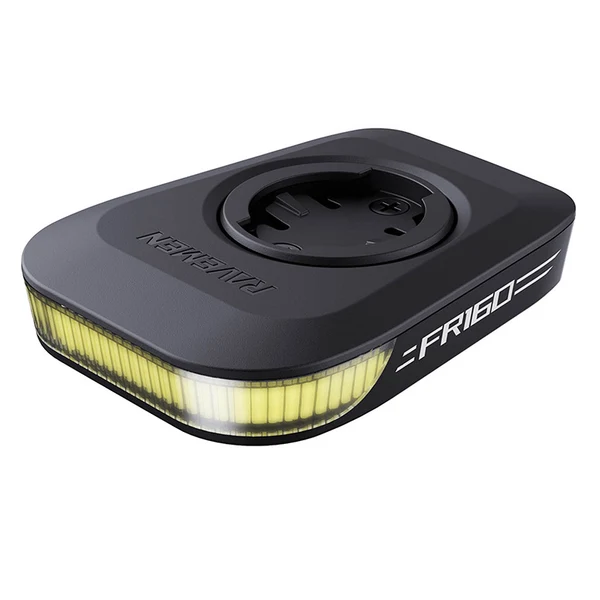
Cycling has become an important part of everyday transportation for people who want a practical, affordable, and environmentally conscious way to travel. Whether commuting to work, running errands, or enjoying a weekend ride, having dependable lighting can make every journey more convenient. A USB rechargeable bike light offers a practical solution by combining portable illumination with easy charging, making it easier for cyclists to keep their equipment ready without regularly purchasing disposable batteries.
How Charging Technology Has Changed Bicycle Accessories
Bicycle accessories have developed considerably over the years. Earlier lighting systems often depended on replaceable batteries or traditional power arrangements that required additional maintenance. Modern rechargeable technology has made bicycle lights more convenient, particularly for people who ride frequently.
Built-in lithium-ion batteries allow manufacturers to create compact lighting products without sacrificing useful battery capacity. Instead of carrying spare batteries, riders can recharge their lights using compatible USB connections.
This development has also made lighting systems easier to incorporate into everyday routines. A cyclist can remove a light from the bicycle, connect it to a suitable power source, and reinstall it when charging is complete.
Why USB Charging Makes Everyday Cycling Easier
Convenience is one of the biggest reasons cyclists choose rechargeable lighting systems. USB charging allows users to power their equipment through compatible sources they may already have at home or work.
Some important advantages include:
Less dependence on disposable batteries: Rechargeable lights reduce the need to purchase replacement batteries regularly, which can make them more economical over time.
Flexible charging options: Depending on the device, cyclists may be able to charge their lights through a computer, USB wall adapter, or portable power bank.
Easy storage and transportation: Compact rechargeable lights are generally easy to remove and carry, which is useful for commuters who park their bicycles outside.
A more organized routine: Riders can include light charging alongside other everyday activities, such as charging a smartphone or wireless headphones.
Understanding Battery Capacity and Runtime
Not all rechargeable bicycle lights provide the same operating time. Battery capacity, measured in milliampere-hours (mAh) or watt-hours (Wh), is one factor that influences how long a light can operate between charges.
However, capacity alone does not determine performance. Brightness settings, LED efficiency, operating temperature, and additional electronic features can also influence battery consumption.
For example, a light operating at maximum brightness will generally consume more energy than one using a lower setting. Flashing modes may also offer different runtimes depending on their design.
Before purchasing a lighting system, cyclists should review the manufacturer’s runtime specifications for individual modes. This makes it easier to select a product that matches their commuting distance and riding habits.
Choosing the Right Charging Connection
USB technology includes different connector types, with USB-C becoming increasingly common in modern electronic accessories.
When comparing bicycle lights, it is worth checking the charging connection and understanding which cable is required. A reversible USB-C connector is convenient because it can be inserted in either direction.
However, the connector type alone does not determine charging speed. Actual charging time depends on battery capacity, the device’s internal charging circuitry, and the power source being used.
Cyclists should always follow the manufacturer’s charging recommendations rather than assuming that every USB adapter will deliver the same results.
Lighting Modes and Their Practical Uses
Rechargeable bicycle lights often include several operating modes to accommodate different environments.
Steady Mode
A continuous beam is useful when cyclists need consistent illumination to see the road ahead. It is particularly helpful on poorly lit streets and paths.
Flashing Mode
Flashing settings can attract attention and help make cyclists more noticeable during daylight or in changing weather conditions. Local regulations should be considered when selecting a lighting mode.
Low Brightness Mode
A lower setting may be suitable for well-lit streets or shorter journeys where maximum output is unnecessary. It can also help conserve battery power.
High Brightness Mode
Higher output is useful when additional illumination is required, particularly on darker roads. However, the beam should always be adjusted responsibly to avoid dazzling approaching road users.
Having several options allows cyclists to adapt their lighting to different riding conditions.
How to Maintain a Rechargeable Bike Light
Regular maintenance can help keep bicycle lighting equipment working reliably. Fortunately, most basic maintenance tasks are straightforward.
Start by checking the battery level before longer journeys. If the light has a battery indicator, use it to decide when charging is necessary.
Keep the lens clean because accumulated dust and dirt can reduce the effectiveness of the illumination. A soft cloth is generally suitable for cleaning the exterior, provided the manufacturer’s instructions allow it.
The charging port also deserves attention. Make sure it is dry and free from debris before connecting a cable. If the light includes a protective port cover, close it properly after charging.
For extended periods without use, follow the manufacturer’s battery storage recommendations. Lithium-ion batteries should not simply be left completely discharged for months.
What to Look for Before Purchasing
Choosing a rechargeable bike light involves more than checking its appearance or advertised brightness.
Consider these factors before making a decision:
- Brightness: Select an output appropriate for your regular riding environment.
- Battery runtime: Check how long the light operates at different settings.
- Charging compatibility: Confirm the connector type and charging requirements.
- Mounting system: Make sure the light fits securely onto your bicycle.
- Weather protection: Review the water-resistance rating for outdoor use.
- Battery indicator: Consider whether a remaining-power display or warning system would be useful.
A suitable combination of these features can make a bicycle light more practical for long-term everyday use.
Making Rechargeable Lighting Part of Your Cycling Routine
A simple routine can prevent many common lighting problems. After returning from a ride, check the battery level and recharge the light if necessary. Store removable lighting equipment somewhere clean and dry rather than leaving it exposed to harsh outdoor conditions.
Before setting off again, confirm that the light switches on, the mounting bracket is secure, and the selected mode is appropriate for the journey.
Cyclists who travel longer distances may also consider carrying a compatible power bank, provided their lighting equipment supports the required charging arrangement.
These small habits help ensure that lighting equipment remains ready when needed.
Conclusion
USB rechargeable bicycle lighting has made everyday cycling more convenient by reducing dependence on disposable batteries and simplifying the charging process. With portable designs, multiple lighting modes, and increasingly practical battery technology, these accessories can suit a wide range of cycling activities.
The best choice depends on individual riding conditions, required brightness, battery runtime, charging compatibility, and mounting preferences. By considering these factors and maintaining a regular charging routine, cyclists can enjoy dependable illumination and make their journeys more comfortable.
Frequently Asked Questions (FAQs)
1. What is a USB rechargeable bike light?
It is a bicycle lighting device containing a rechargeable battery that can be powered through a compatible USB connection instead of relying on disposable batteries.
2. Can I charge my bicycle light using a laptop?
Many USB rechargeable lights can be connected to a laptop for charging. However, users should check the product instructions to confirm compatible power requirements.
3. How long does a rechargeable bike light take to charge?
Charging time varies according to battery capacity, charging circuitry, and power source. The manufacturer’s specifications provide the most accurate estimate for an individual model.
4. Does higher brightness reduce battery runtime?
Generally, yes. Higher brightness settings usually consume more power, resulting in shorter operating times compared with lower-output modes.
5. Is USB-C better than Micro-USB for bicycle lights?
USB-C offers a reversible connector and is widely used in modern electronics. However, actual charging speed depends on the light’s internal charging system rather than the connector alone.
6. Can rechargeable bike lights be used in rainy weather?
Some models are designed with water-resistant housings. Always check the product’s IP rating and manufacturer instructions before using a light in wet conditions.
7. How often should I recharge my bicycle light?
Charging frequency depends on how regularly the light is used and which brightness modes are selected. Checking the battery indicator before each longer journey is a sensible habit.
8. Are rechargeable bicycle lights worth buying?
For frequent cyclists, rechargeable lights can offer convenience and reduce ongoing disposable battery costs. Their suitability depends on battery performance, charging requirements, and the conditions in which they will be used.